NYC Owes Rent-Stabilized Building Owners A Thank You
By Kenny Burgos
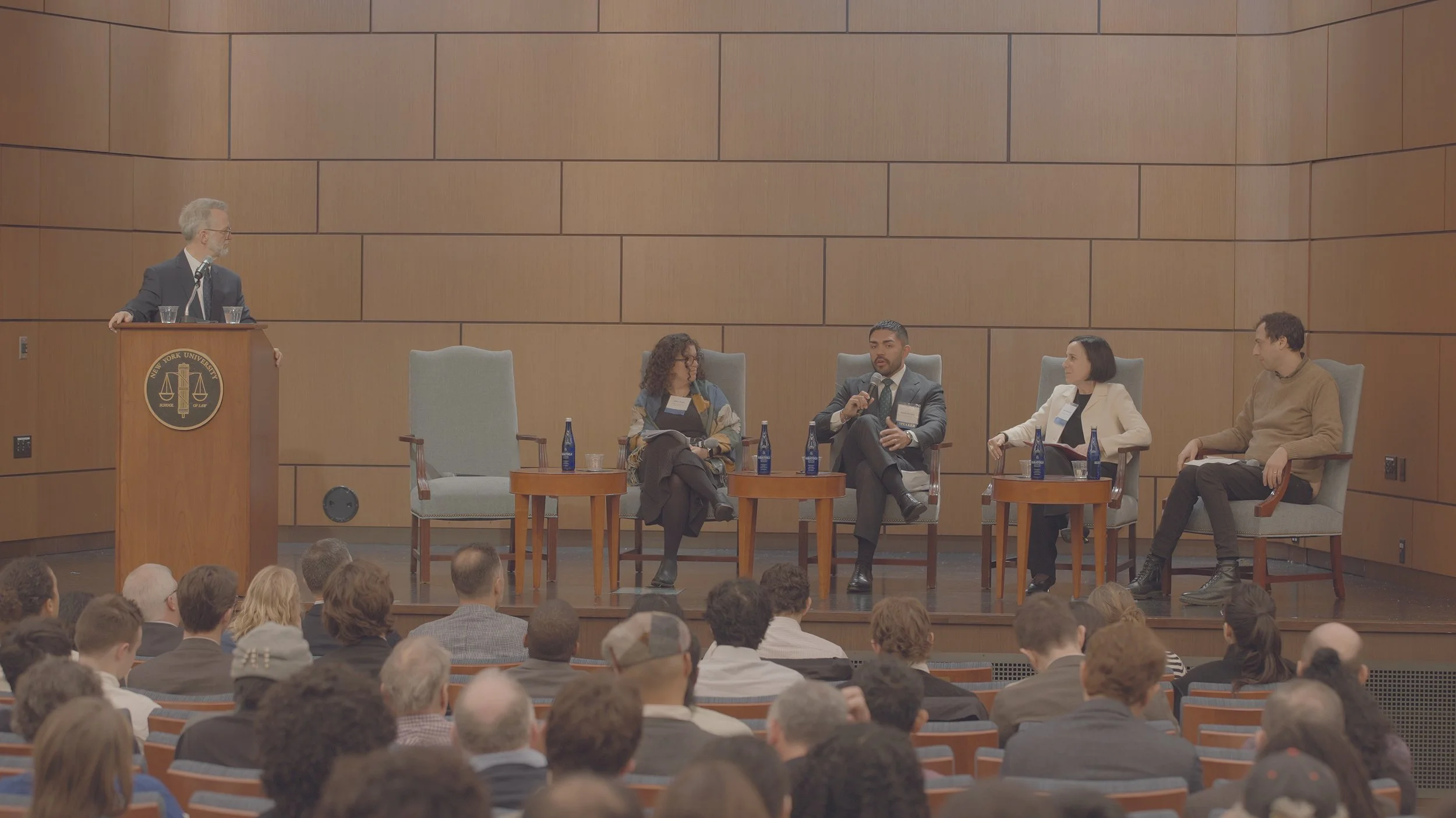
This November I was invited to be part of a panel discussion on the growing distress in rent-stabilized housing. Before our discussion, the NYU Furman Center presented data and analysis on the current state of regulated housing, with a detailed breakdown of which buildings were in trouble, and which ones were doing okay.
They found that 48% of all stabilized apartments are in buildings that are highly regulated, with more than 90% of apartments registered as stabilized. The median rents in these apartments were $1,344, with an estimated $257 going to property taxes. This leaves the majority of rent-stabilized buildings with roughly $1,087 per apartment in operating costs, far below what is needed to fund NYCHA or nonprofit housing that is similar to the Pre-1974 rent-stabilized housing stock.
According to the Citizens Budget Commission, the cost to operate NYCHA housing was $1,471 in 2022. Adjusting for inflation, that is $1,610 per apartment today.
The Furman Center report also highlighted the distress of non-profit housing with strict rent limits. This makes up roughly 19% of all rent-stabilized housing and has median rents of $1,249 – but pays no property taxes.
This is why I think the city owes you a thank you. You are operating nearly half a million apartments, housing more than one million people, and you are doing it with 68% of the budget of NYCHA and 87% of the budget of nonprofits, while delivering buildings with far less violations and complaints on average.
Your ability to find efficiency, negotiate costs, and invest wisely in the future of your properties have created the largest reserve of quality affordable housing in New York City.
I know that instead of being thanked for your work, you are often vilified by elected officials who suggest that your desire to profit is the reason New York City has housing affordability issues. Even when confronted with clear evidence that public housing and nonprofit organizations are spending considerably more to deliver a worse product, they still point fingers at you. And that is unfair.
Lawmakers also tell us what their priorities are through their tax policy. Older rent-stabilized buildings are by far the most overtaxed housing units in the city. Elected officials prioritize huge tax breaks to new development projects, which charge rents twice or three times as high as you are allowed to charge. They also prioritize small buildings and single or two-family homes that in many instances pay 8 times less in taxes per square foot than a rent-stabilized building on the same block.
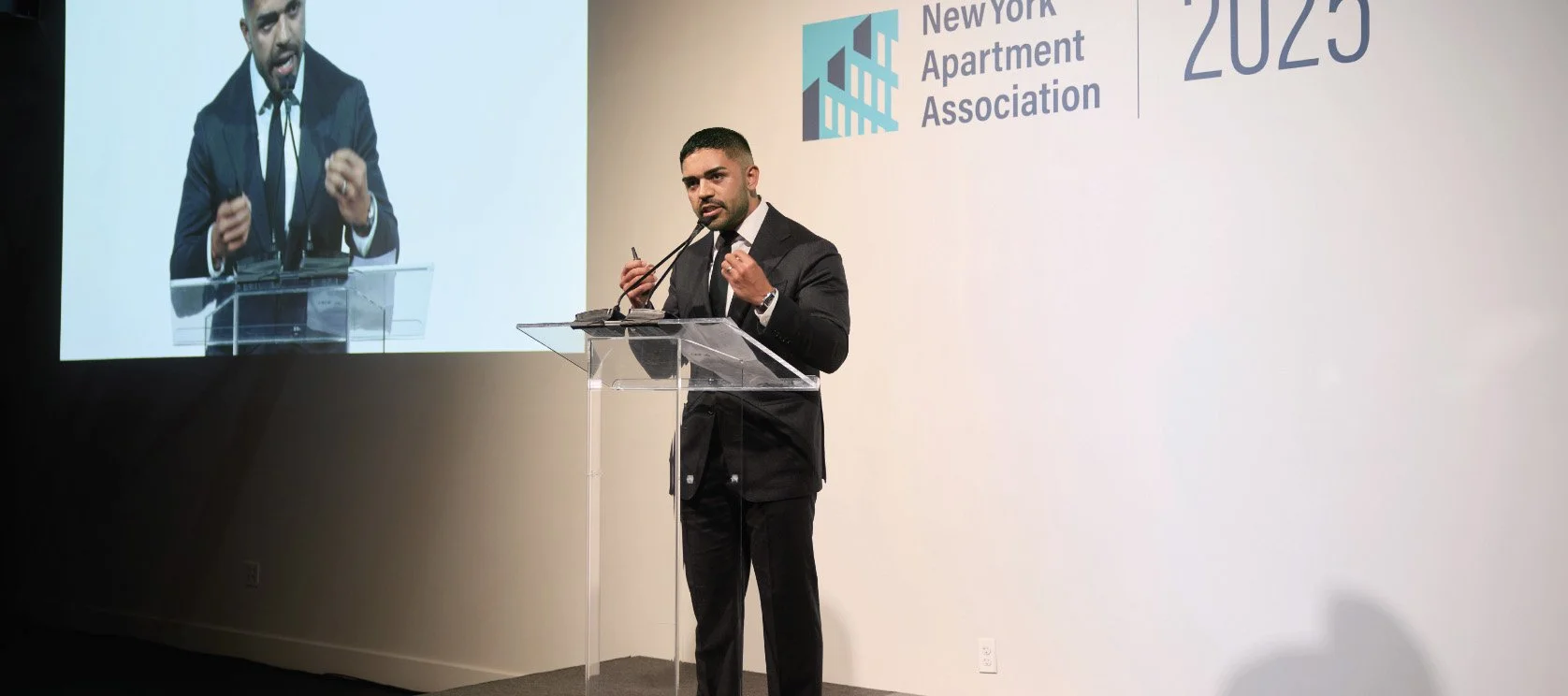
As the CEO of NYAA, I am going to continue to have these conversations with elected officials and make it my mission to inform all of them of the amazing work you all do with a limited budget. In 2026, I am also going to advocate fiercely for help for you. That might come as property tax relief, or lower insurance costs, or subsidies.
But I know that larger regulatory reform is necessary to make your buildings sustainable again. Already, nonprofits have started to call for a vacancy reset for apartments in need of significant renovations. They want the carve out for themselves, but I will make the argument that our members deserve it just as much, based on the data.
We have a lot of work to do and I will continue to put all my effort into solving the housing crisis that has been created by bad policy. For now though, I want to thank you for the amazing job you are doing under incredibly difficult circumstances. Your dedication to providing safe, clean, affordable housing to New Yorkers is vital to the city’s success.