
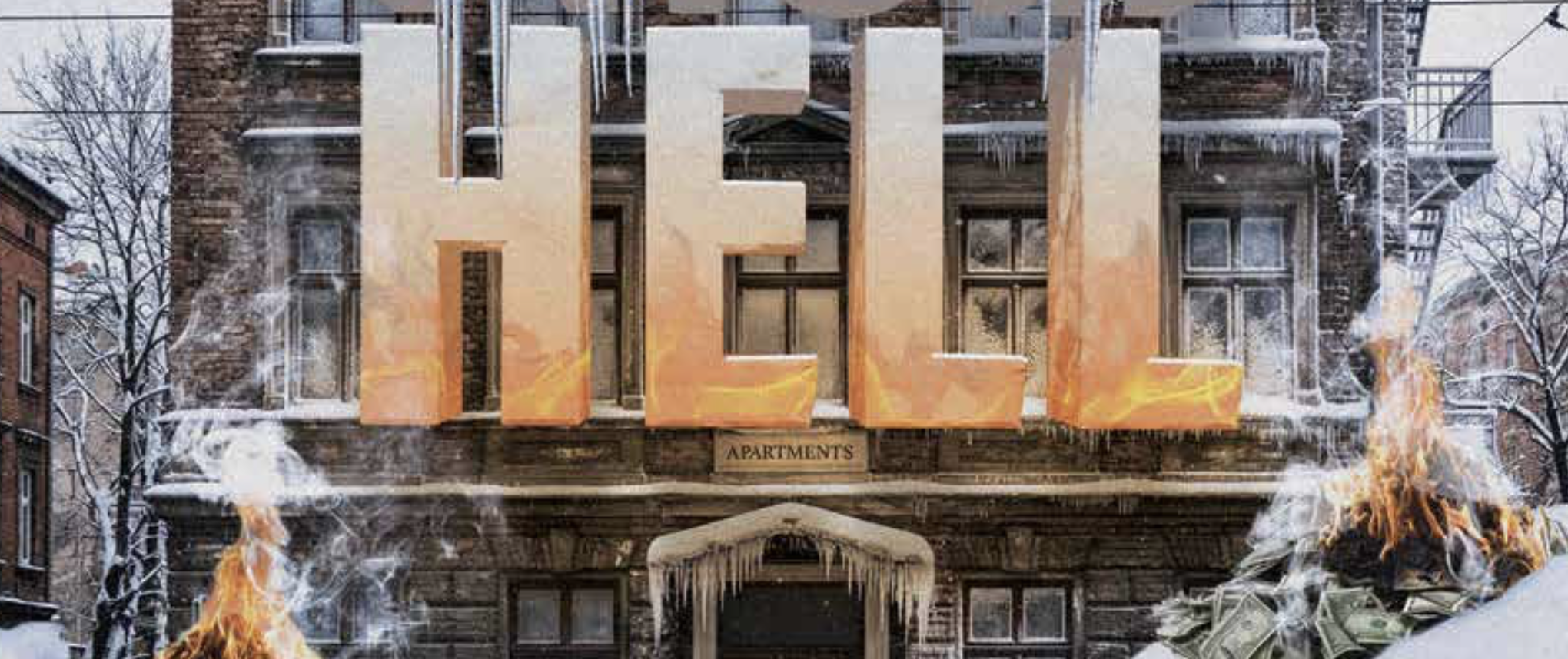
The Winter From Hell
For building owners across New York City, this winter has felt unusually punishing.
Extended stretches of freezing temperatures placed heavy demands on heating systems across the city’s multifamily housing stock, particularly in older rent-stabilized buildings where boilers and other systems were already operating near capacity. At the same time, rising fuel prices and higher energy demand drove operating costs up, creating a financial squeeze for buildings already navigating years of growing expenses.
Data from the New York State Energy Research and Development Authority (NYSERDA) shows that January and February were the coldest months the region has experienced in roughly a decade. Heating demand during the 2024–2025 winter season was approximately 10% higher than the previous year, reversing two notably mild winters that had preceded it.
For building operators, the impact of that shift was immediate. When temperatures remain below freezing for extended periods, boilers run continuously and fuel consumption increases significantly. Aging infrastructure like pipes, pumps, valves, and heating systems that in many cases date back decades, must work far harder to maintain required indoor temperatures.
During one recent cold spell, tens of thousands of New Yorkers reported problems with heat and hot water as building systems struggled to keep up with the extreme demand.
Yet the challenges created by this winter were not limited to mechanical strain. The cold also arrived alongside rising energy prices, creating a double burden for building owners. Natural gas prices in February were 11% higher than the previous year, while other winter heating fuels increased by as much as 15%. Because colder weather also drives higher fuel consumption, the combined effect of price increases and increased usage significantly elevated heating costs across the city.
Energy demand can also affect delivery costs. During periods of extreme cold, utilities such as Con Edison and National Grid must move larger volumes of energy through transmission systems and pipelines, which can place additional stress on infrastructure and contribute to higher delivery charges.
For many buildings, particularly those operating under rent stabilization, these rising costs arrived at a difficult moment.
Last year, the Rent Guidelines Board approved a 3% increase for one-year lease renewals, a figure that was roughly one percentage point below inflation. One factor influencing that decision was the expectation that fuel costs would decline.
The board’s 2024 Price Index of Operating Costs (PIOC) projected that fuel costs would fall by approximately 6%.
Instead, the 2025 PIOC report found that fuel costs increased by 10.3%, representing a swing of more than 16 percentage points from the earlier projection. The report noted that colder weather increased heating demand significantly, resulting in an 11.7% rise in total fuel costs once both price increases and higher consumption were taken into account.
The Rent Guidelines Board acknowledged that its earlier projections underestimated increases in several key operating expenses, including fuel, insurance, and utilities. In recent years, projections have averaged roughly 1.25 percentage points below actual operating costs, highlighting the difficulty of forecasting expenses in a volatile energy environment.
Those rising expenses come on top of a longer-term trend. Over the past five years, the PIOC has increased by 28.1%, reflecting substantial growth in expenses such as utilities, labor, insurance, and maintenance. Since 2019, operating costs measured by the PIOC have risen approximately 33%, outpacing the growth of overall inflation during the same period.
Some expenses have increased far more dramatically. Insurance premiums alone have surged about 150% since 2019, creating one of the fastest-growing cost pressures for multifamily housing.
These financial pressures are already visible in the building balance sheets. Approximately 9.3% of buildings containing rent-stabilized units are currently operating with negative net operating income, meaning that the cost of running the property exceeds the revenue it generates.
Extreme weather events like this winter’s cold snap do not create these underlying pressures, but they can magnify them.
New York’s housing stock is among the oldest in the nation. Many multifamily buildings were constructed 50 to 100 years ago, long before modern energy systems and efficiency standards were introduced. Maintaining these buildings requires continuous investment in heating equipment, building systems, and infrastructure.
When severe weather pushes those systems to their limits, the broader challenges facing the city’s housing stock become more visible.
The past few months have offered a clear reminder that the condition of New York’s housing is shaped not only by policy and economics, but also by the physical realities of operating aging buildings in a city that experiences both extreme heat and extreme cold.
Winter will eventually give way to spring. But the pressures revealed by this season, from rising fuel costs to aging infrastructure, are unlikely to disappear as quickly.
Winter by the Numbers
10% colder This winter compared with the previous year
10.3% increase Fuel costs reported in the 2025 PIOC
16+ point swing Difference between projected and actual fuel costs
28.1% increase Rise in operating costs over the past five years
150% increase Growth in insurance costs since 2019
9.3% of buildings Rent-stabilized properties operating with negative income